
How to Become a Foot Care Nurse in Ontario
How to Become a Foot Care Nurse in Ontario: A Step-by-Step Guide for RPNs, RNs and NPs
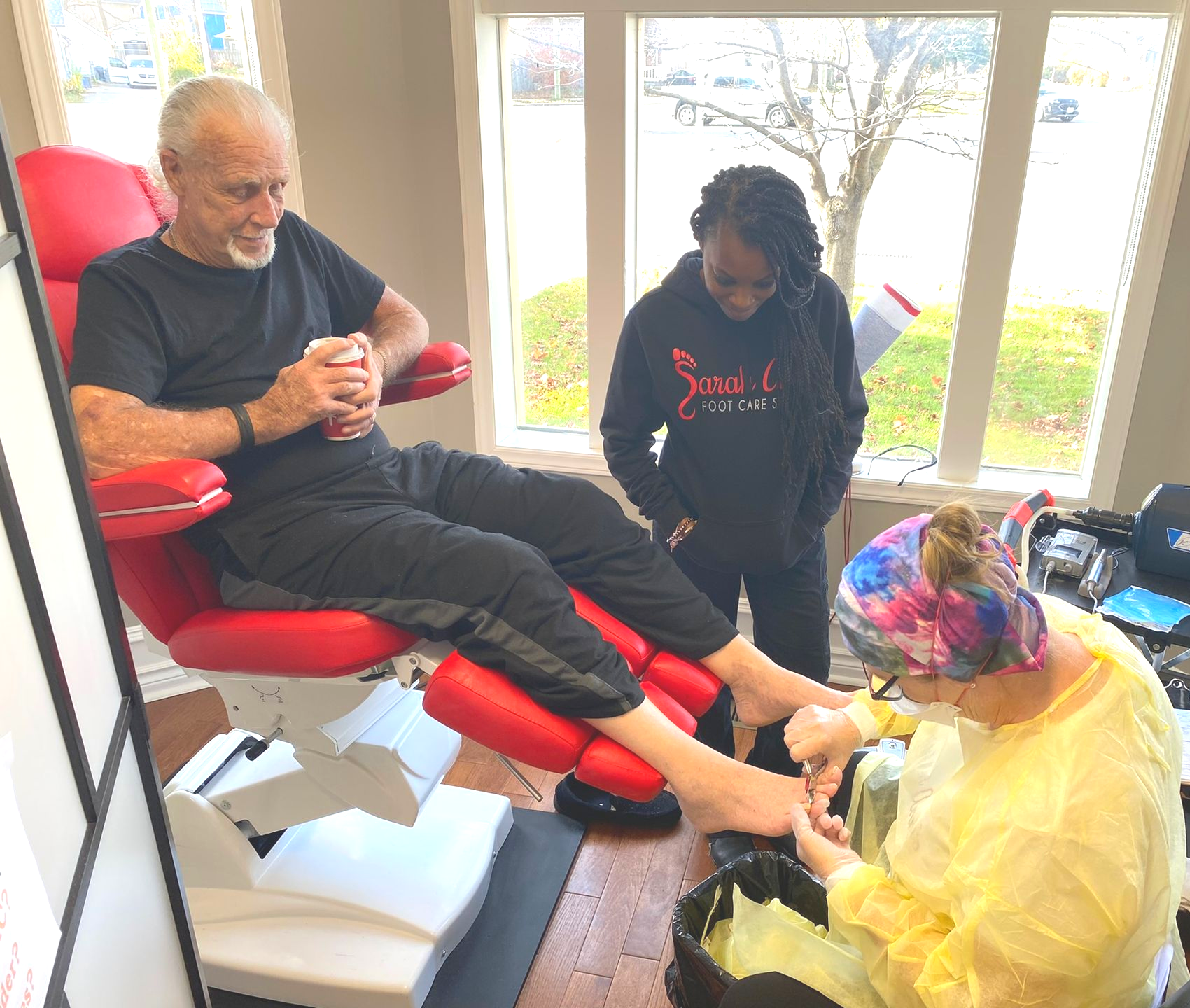
Are you a Registered Practical Nurse (RPN) or Registered Nurse (RN) looking for a new direction in your nursing career?
Advanced foot care nursing has become one of the fastest-growing specialty areas in Ontario, offering nurses the opportunity to provide meaningful one-on-one patient care while building a flexible and rewarding career.
Whether your goal is to work in retirement homes, provide mobile foot care, join a clinic, or eventually start your own business, becoming a foot care nurse can open doors to exciting new opportunities.
In this guide, we'll walk you through the steps to becoming a foot care nurse in Ontario, what to look for in a quality education program, and how to begin your journey with confidence.
Understanding the Role of a Foot Care Nurse
Before diving into the educational requirements, it's important to understand what a foot care nurse does.
Foot care nurses are regulated nurses—Registered Nurses (RNs) or Registered Practical Nurses (RPNs)—who have completed additional education in advanced foot care. They assess, treat, educate, and help patients maintain healthy feet while recognizing conditions that require referral to another healthcare professional.
Foot care nurses play a vital role in preventing complications, promoting mobility, and helping people maintain their independence. They frequently care for individuals living with diabetes, arthritis, peripheral vascular disease, neuropathy, and other chronic health conditions that can affect foot health.
Step 1: Become a Registered Nurse or Registered Practical Nurse

The first step toward becoming a foot care nurse in Ontario is to become a regulated nurse by obtaining your Registered Nurse (RN) or Registered Practical Nurse (RPN) designation.
This involves graduating from an accredited nursing program and successfully passing the appropriate entry-to-practice examination. Registered Nurses complete the NCLEX-RN, while Registered Practical Nurses complete the REx-PN.
Once you're licensed and registered to practise, you can pursue additional education in advanced foot care and begin developing the specialized knowledge, clinical judgment, and hands-on skills required to provide safe, evidence-informed foot care.
If you're already an RN or RPN, you're one step closer than you might think. The next step is gaining the specialized education and supervised clinical training needed to confidently care for patients with a wide range of foot and lower limb conditions.
Step 2: Build Your Nursing Foundation

Before specializing in advanced foot care, gaining experience in general nursing can help build a strong foundation in patient care, communication, assessment skills, and clinical decision-making. Working in a variety of healthcare settings exposes nurses to different patient populations and helps develop the confidence that supports safe nursing practice.
That said, previous nursing experience is not required to enroll in an advanced foot care course. Many nurses choose to pursue foot care education shortly after becoming licensed, while others bring years of nursing experience to the classroom.
At Sarah Ann's Foot Care EDU, we welcome both newly licensed and experienced nurses. While we recommend having at least one year of nursing experience, it is not a requirement. Our goal is to provide students with the knowledge, hands-on clinical training, and support they need to build confidence and develop safe, evidence-informed foot care skills, regardless of where they are in their nursing career.
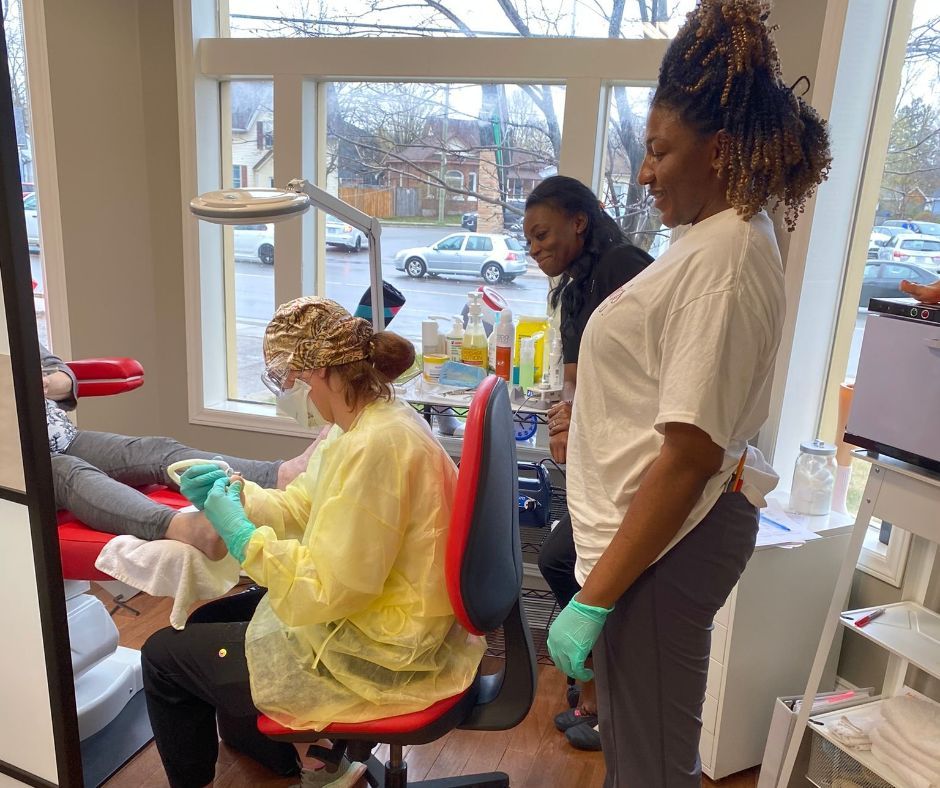
Now it's time to specialize! Once you've become a regulated nurse, the next step is to enroll in an advanced foot care education program.
When comparing programs, look for one that offers both comprehensive theory and supervised hands-on clinical training. A quality program should cover topics such as lower limb assessment, common foot and nail conditions, infection prevention and control, instrument reprocessing, documentation, clinical decision-making, and knowing when to refer patients to another healthcare professional.
Hands-on clinical experience is just as important as classroom learning. Working with real patients under the guidance of an experienced instructor helps develop the confidence, competence, and clinical judgment needed to provide safe, evidence-informed foot care.
At Sarah Ann's Foot Care EDU, our Advanced and Diabetic Nursing Foot Care Program combines comprehensive online theory through PedEd with three full days of supervised, small-group hands-on clinical training in Barrie, Ontario. Clinical groups are intentionally kept small, with a maximum of six students, allowing for direct educator guidance, hands-on practice, individualized feedback, and meaningful discussion. This supportive learning environment helps students develop practical skills, clinical reasoning, and the confidence needed to make safe, informed decisions in practice.
Step 4: Practical Training & Certificate of Completion
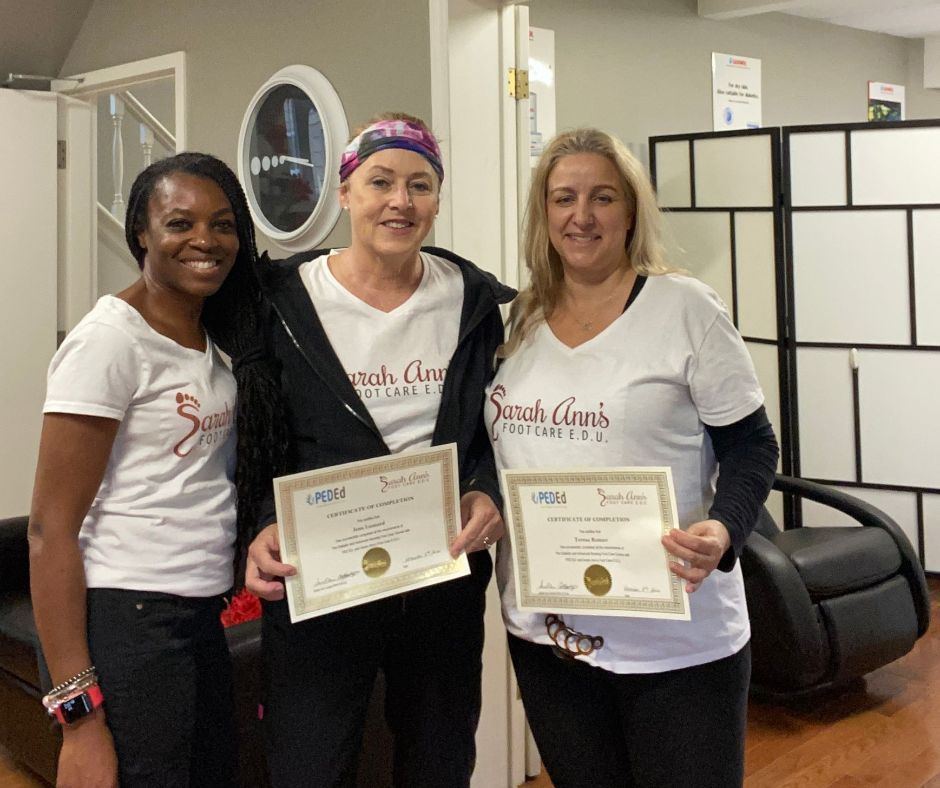
At Sarah Ann's Foot Care EDU, students participate in supervised hands-on clinical training with real patient volunteers. Working in small clinical groups provides opportunities to perform assessments, develop practical techniques, strengthen clinical reasoning, and receive immediate feedback from experienced instructors in a supportive learning environment.
Upon successful completion of the program, students receive a Certificate of Completion recognizing their advanced foot care education. More importantly, they leave with the knowledge, practical skills, and confidence needed to begin their journey as advanced foot care nurses.
Nurses who meet the eligibility requirements may also choose to pursue the separate Foot Care Nursing (Canada) Certification — FCN(C) through the Canadian Nurses Association.
Step 5: Start Your Career as a Foot Care Nurse
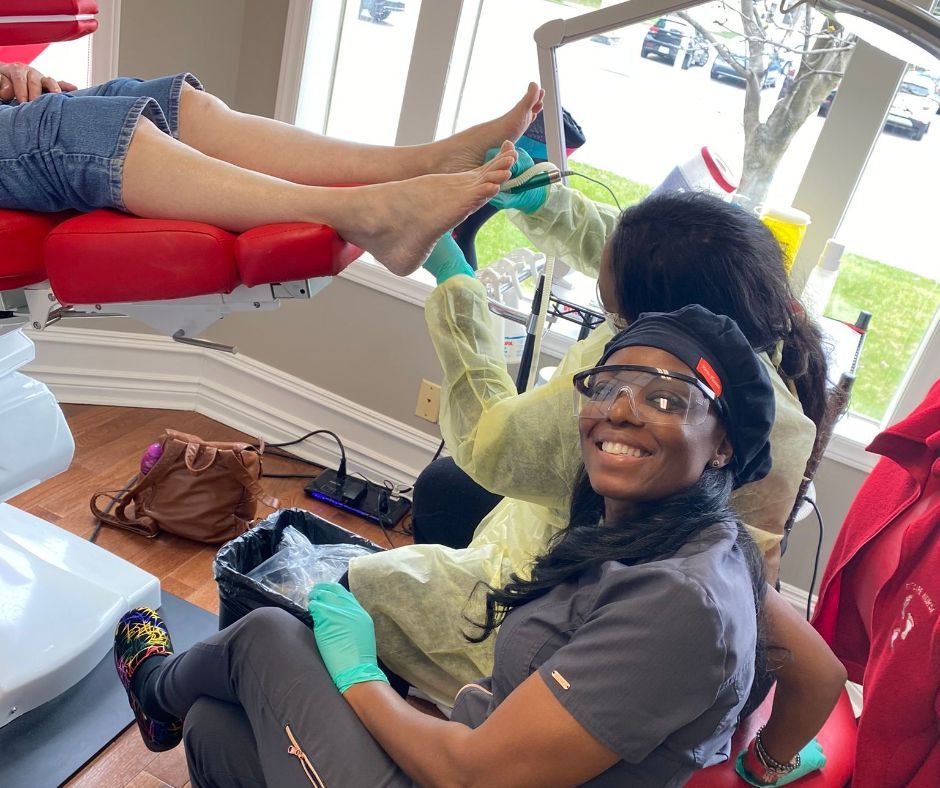
After completing your advanced foot care education, you're ready to begin your journey as a foot care nurse in Ontario.
One of the many advantages of foot care nursing is the variety of career opportunities available. Depending on your interests and goals, you may choose to work in a private foot care clinic, provide mobile foot care services, work in retirement or long-term care homes, join a multidisciplinary healthcare team, or even build your own independent foot care business.
For nurses considering independent practice, advanced foot care education can also be the beginning of a new business direction. Sarah Ann’s Foot Care EDU now incorporates private-practice and business education, practice pathways, and an introduction to practice-model implementation to help nurses explore how they may want to practise after graduation.
Like any area of nursing, learning doesn't stop after graduation. Continuing to expand your knowledge and skills is an important part of providing safe, evidence-informed care throughout your career.
Some ways to continue growing professionally include:
- Stay Current: Keep up to date with the latest advancements in foot care by attending workshops, webinars, conferences, and continuing education opportunities.
- Build Your Professional Network: Connect with other foot care nurses and healthcare professionals to share knowledge, gain support, and discover new opportunities.
- Continue Learning: As your career grows, consider additional education and professional development to strengthen your clinical skills and expand your services.
Final Thoughts
Becoming a foot care nurse is more than learning a new skill—it's an opportunity to build a rewarding nursing career while making a meaningful difference in the lives of your patients.
Whether your goal is to work independently, join an established clinic, or provide care within your community, advanced foot care nursing allows you to combine clinical knowledge, patient education, and compassionate care in a way that helps people maintain their mobility, independence, and quality of life.
If you're ready to take the next step, If you’re ready to take the next step, explore our Advanced and Diabetic Nursing Foot Care Program to learn more about upcoming clinical dates, hands-on training, private-practice education and course registration. We'd love to help you begin your journey.
At Sarah Ann's Foot Care EDU, we're committed to providing nurses with the education, hands-on clinical experience, and ongoing support needed to build confidence and succeed in advanced foot care practice.